Reggae rhythms, coconut-infused cuisine, and beaches that feel like another country. Puerto Viejo offers a side of Costa Rica most visitors never expect—here's why the Caribbean coast deserves a spot on your itinerary.
Cross the mountains from San José, descend through banana plantations, and something changes. The Spanish gives way to English and Patois. The gallo pinto becomes rice and beans cooked in coconut milk. The salsa switches to reggae. Welcome to Puerto Viejo de Talamanca—Costa Rica's Caribbean soul.
A Different Costa Rica
The Caribbean coast of Costa Rica shares more culture with Jamaica and Panama than with San José. Afro-Caribbean families have lived here for generations, descended from workers who came to build the railroad in the 1800s. They brought their language, their music, their food, and their way of life.
The result is a place that feels genuinely different from anywhere else in Costa Rica. Time moves slower here—not as a tourism slogan, but as actual reality. Shops open when they open. Dinner happens when the food is ready. And nobody seems stressed about any of it.
In Puerto Viejo we say: take it easy. Not because we're lazy—because life is too beautiful to rush through. — Local resident
The Beaches: Caribbean Perfection
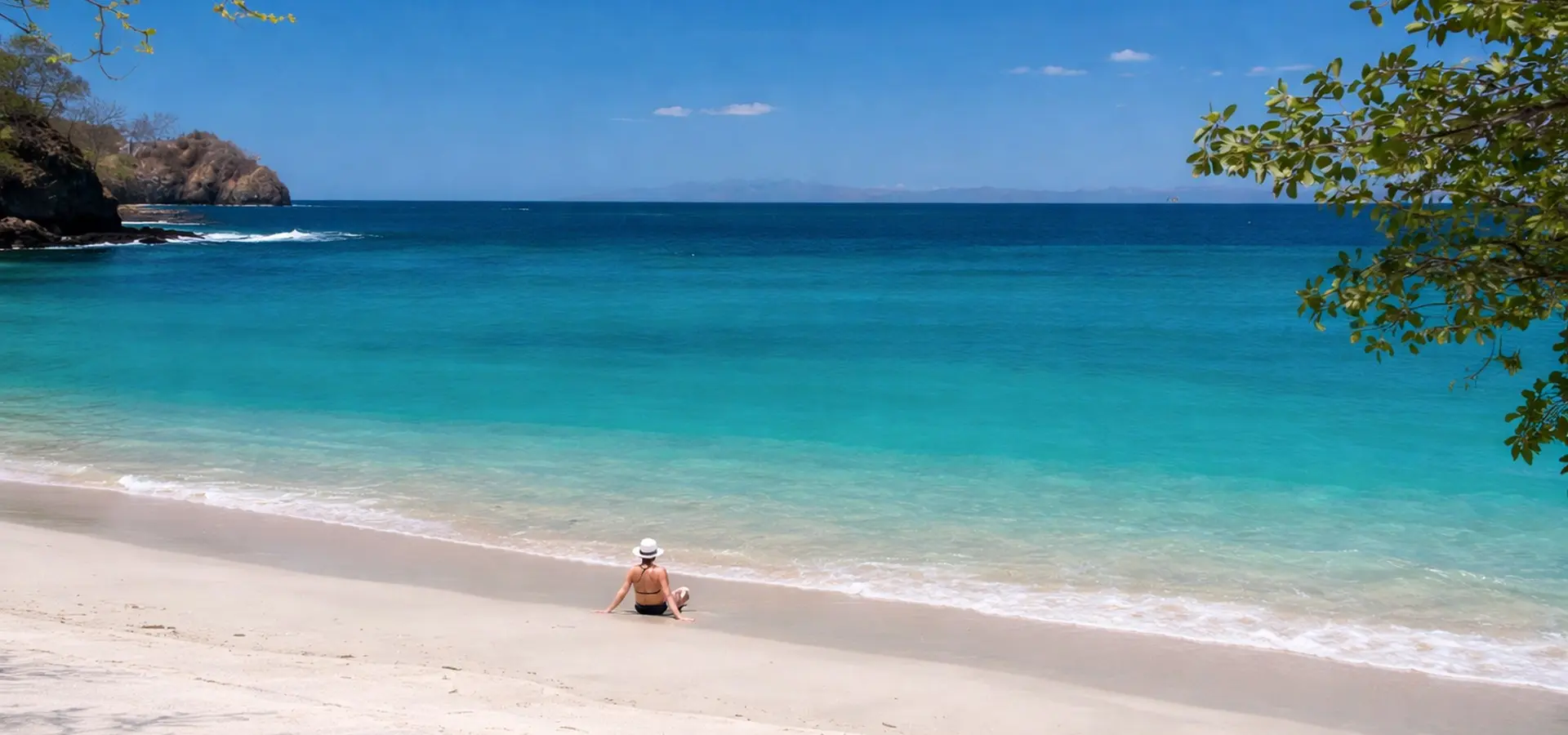
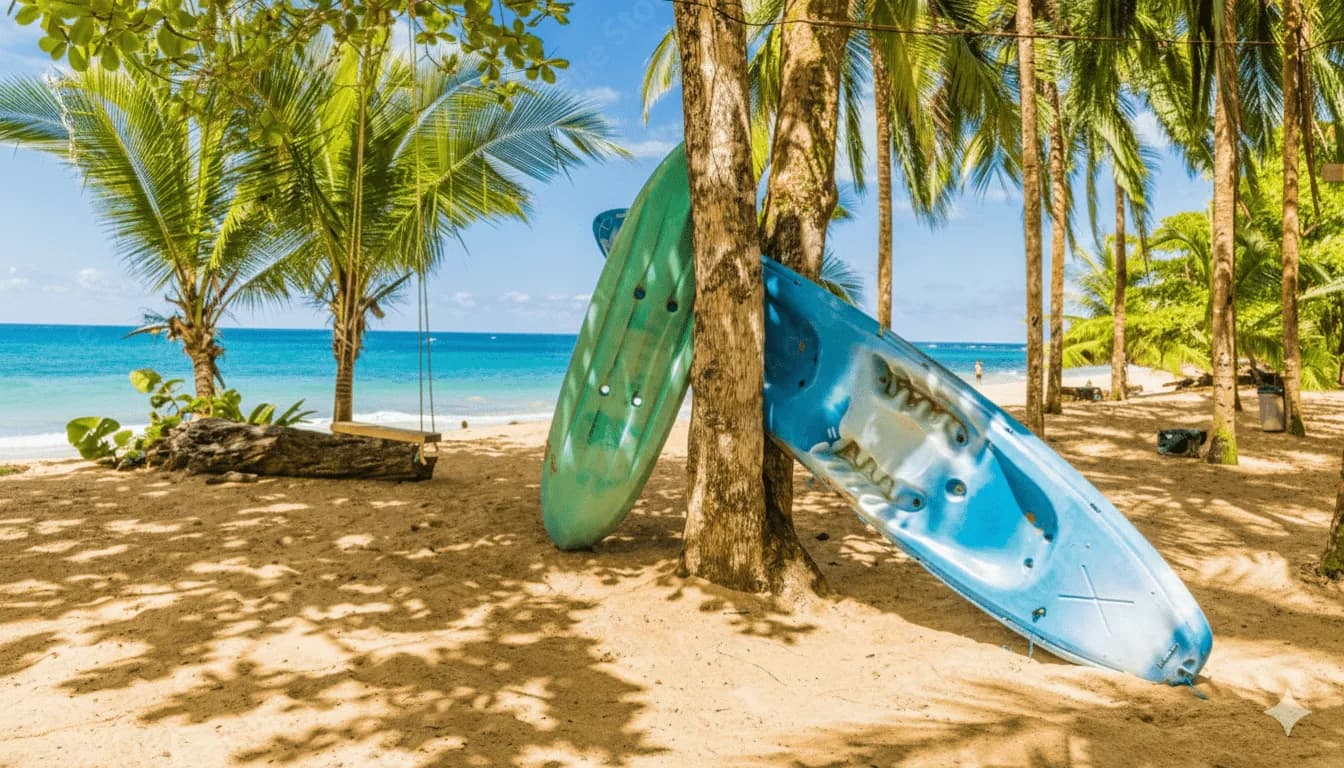
The Caribbean coast beaches are different from the Pacific. Warmer water. Palm trees leaning over white sand. Coral reefs just offshore. And a wildness that feels untamed. Here are the highlights:
Playa Cocles
The main surf beach. Cocles offers the most consistent waves on the Caribbean coast, with breaks suitable for beginners and intermediates. The beach is long and wide, backed by jungle, with several casual restaurants and surf schools. This is where most of Puerto Viejo's beach action happens.
Punta Uva
Often called the most beautiful beach in Costa Rica. Punta Uva is a protected cove with calm, crystal-clear water perfect for swimming and snorkeling. Jungle grows right to the sand's edge. There's one beach bar, a few houses, and nothing else. Come early on weekends—locals know this spot too.
Playa Manzanillo
At the end of the road, where the Gandoca-Manzanillo Wildlife Refuge begins. Manzanillo is a tiny fishing village with excellent snorkeling, fresh seafood, and zero pretension. The coral reef here is some of the best on the coast. Dolphins are regularly spotted in the bay.
Playa Negra (Black Beach)
Just north of town, this dark-sand beach is quieter and more local. The sand comes from volcanic minerals, and the contrast against the turquoise water is striking. Good for walks, sunsets, and escaping the crowds.
Caribbean Flavors
Food in Puerto Viejo is reason enough to visit. The Caribbean coast has its own cuisine, distinct from the rest of Costa Rica:
- Rice and Beans: Not gallo pinto. Rice and red beans slow-cooked in coconut milk with thyme and Panamanian peppers. Creamy, rich, and addictive.
- Rondón: The signature Caribbean stew. Fish, root vegetables, plantains, and coconut milk simmered for hours. Different every time, always delicious.
- Jerk Chicken: Spicy, smoky, marinated overnight and grilled over coals. The Caribbean influence is unmistakable.
- Patí: Spicy meat turnovers, a local street food descended from Jamaican patties.
- Pan Bon: Sweet bread with tropical fruits, perfect with morning coffee.
- Fresh Cacao: The Talamanca region produces some of the world's finest cacao. Chocolate tours and fresh cacao drinks are local specialties.
The Vibe: Reggae, Bikes, and Bare Feet
Puerto Viejo runs on its own rhythm—literally. Reggae, calypso, and dancehall pour from every bar and restaurant. Bob Marley's face appears on murals throughout town. Local musicians play live most nights.
The main mode of transportation is bicycle. The flat coastal road makes cycling easy, and most hotels rent bikes for a few dollars a day. You'll see surfers pedaling with boards under their arms, families heading to the beach, locals running errands—all on two wheels.
Dress code? Nonexistent. Barefoot is normal. Bathing suits are acceptable almost everywhere. Nobody judges, nobody stares. The attitude is simple: be yourself, respect others, enjoy life.
Nature and Wildlife
The Caribbean coast is one of the most biodiverse regions in Costa Rica:
- Cahuita National Park: White-sand beaches, coral reefs, and hiking trails through coastal jungle. Monkeys, sloths, and toucans are commonly spotted. The only national park in Costa Rica with a pay-what-you-wish entrance.
- Gandoca-Manzanillo Wildlife Refuge: Pristine jungle, deserted beaches, and sea turtle nesting sites. Hike the coastal trail or kayak through mangroves.
- Jaguar Rescue Center: Despite the name, this rehabilitation center cares for all kinds of animals—monkeys, sloths, birds, reptiles. Tours support their conservation work.
- Bribri Indigenous Territory: The Bribri people have lived in these mountains for centuries. Cultural tours offer insight into their traditions, chocolate-making, and medicinal plants.
- Sloth Sanctuary: Learn about Costa Rica's beloved sloths and see rehabilitation efforts up close.
Getting to Puerto Viejo
Puerto Viejo is on Costa Rica's southern Caribbean coast, near the Panama border. The only way in is through San José—there's no nearby airport.
- From SJO Airport: Approximately 4.5-5 hours by road. The route crosses Braulio Carrillo National Park—a stunning drive through cloud forest and rainforest.
- From La Fortuna (Arenal): Approximately 5-6 hours. A long day, but doable as a transfer rather than flying.
- From San José city: Approximately 4 hours.
The drive to Puerto Viejo is part of the experience. You'll cross the continental divide, descend through banana plantations, and watch the landscape transform from mountain to jungle to coast. It's one of Costa Rica's most scenic routes.
Best Time to Visit
The Caribbean coast has opposite weather patterns from the Pacific. When Guanacaste is dry, the Caribbean is wet—and vice versa.
- September - October: The driest months on the Caribbean coast. Best weather, warmest water, but also peak season.
- February - April: A secondary dry season. Good weather, fewer crowds than September-October.
- May - August: Wetter months, but rain usually comes in short afternoon bursts. Lower prices, fewer tourists.
- November - January: Wettest period. Some businesses close, but hardcore travelers find empty beaches and dramatic storms.
What to Expect
Puerto Viejo isn't for everyone. There are no resorts. No chain restaurants. No manicured beaches with lounge chairs. Infrastructure is basic. Power outages happen. Internet can be slow. Some roads flood in heavy rain.
But if you're looking for authentic Caribbean culture, world-class beaches without crowds, incredible food, and a community that genuinely doesn't care what you look like or where you're from—Puerto Viejo delivers like nowhere else in Costa Rica.
Come with an open mind. Leave your schedule at home. And don't be surprised if you extend your stay.
Ready to experience Costa Rica's Caribbean soul?
Book Your Puerto Viejo Transfer